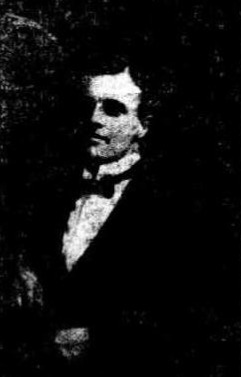
On 1 March 1919, a lengthy list of returning soldiers was published in The Queenslander. Appended to the list were the names of a small number of men who had contributed to the war effort in non-military role in munitions factories. The last name on the list was William George Tregea.
Tregea was a member of a well-known footballing family in Toowoomba, having played for Hotspurs, Waratahs and Western Suburbs at the start of the decade. Despite not holding a combat role, Tregea was listed on the Toowoomba British Football Association honour board alongside his older brother Alfred. The honour board celebrated those who had contributed to the war effort, whether in the military with the AIF or support roles.
According to the Darling Downs Gazette on 9 December 1915, Tregea had presented to the Toowoomba and Central Dowels Recruiting Depot for enlistment and was sworn in. It is unknown when and why he was subsequently discharged. Instead, he spent two and a half years in Kent working in the munitions factories before returning.
An undigitized file exists in the National Archives for Australian workers who joined British industries supporting the war. The series (MT1139/1 – First World War munitions workers dossiers) record in the National Archives contains the following note:
In response to this shortage of skilled workers, the Australian and Imperial Governments agreed a programme to recruit chemists and other skilled men to bolster munitions production in the UK. The Australian Munitions Workers scheme started seeking volunteers in the middle of August 1916. The men had to be volunteers as Australia did not institute conscription during the First World War.
During the Great War a total of 2,838 Australian volunteers worked in UK factories under the Australian Munitions Workers scheme. In addition, 2,222 unskilled workers came to the UK as Australian War Workers or navvies, mainly in the construction industry or on the railways. Many of the navvies disembarked in Liverpool, and some of them worked on construction projects in the Liverpool-Cheshire area.
Under this scheme the volunteers would receive free passage to Great Britain, an allowance for travel time, a special allowance for the duration of service, and eventual repatriation to Australia.”
Tregea married Jessie McIntosh McKenzie in 1930. He died in Brisbane in 1948.