





Born in London, Joe Honeysett migrated to Tasmania in December 1904 with father Joseph (JJB) and mother Harriett, settling in New Norfolk, 30km from Hobart. His father has been described as the ‘father of soccer football in Tasmania’, and he was inducted in the FA hall of fame in 2003, becoming the 2nd Tasmanian inductee. JJB also played cricket for New Norfolk after his arrival, as well as helping to organise the New Norfolk regatta. His mother Harriett was a prolific singer, and musician trained at the Tonic-Sol-Fa music college in London. She played a cricket match – for the Hobart Ladies Choir on an Easter Monday excursion trip to South Arm, taking 4 wickets in the match.
In 1909, the family moved to South Hobart and become firmly entrenched in the local sporting community. In 1910 he became a committee member of the Tasmania British Football Association (Now Football Tasmania) at only 20 years of age. After this move, Joe features in numerous ‘firsts’ for the game in Tasmania. These include:
The first game by South Hobart football club in 1910, the oldest club in Tasmania; the first Southern Tasmania match in 1912; scoring 7 goals in a 10-0 win in Hobart in 1912 (the 2nd North v South game); the first Tasmania match in 1912 held at the Tasmanian Cricket Association ground and first Tasmanian match interstate; also the first soccer game at the MCG, then game at the SCG
One “first” Joe does not hold is that of the first person to represent their ‘half’ of Tasmania in an intrastate match in both soccer and cricket. That honour belongs to Norm Vincent, an opening batsman for the Northern side, and a centre-forward on the soccer field. Vincent debuts for Northern Tasmania in 1911 for cricket. The two played against each other in the North vs South cricket match in 1921. Joe played a twice more for Southern Tasmania in the 1920s,
On the soccer field, Joe played a pivotal role in Tasmania’s upset win over a touring Chinese team in 1923, played at North Hobart Oval. Joe also played games against Victoria and south Australia, while still playing for Southern Tasmania, moving to half-back in his later years.
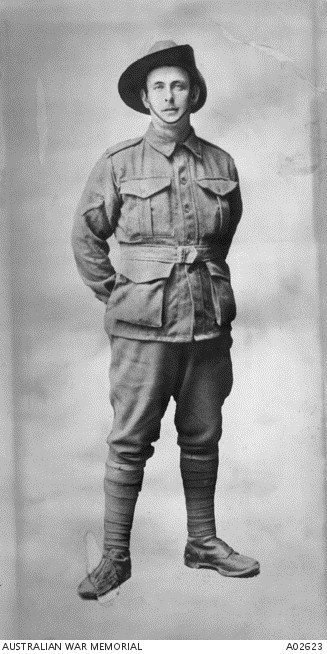
With the outbreak of WWI, Joe joined the Australian Army in 1916, earning numerous military honours including a Military Cross for his daring attempted escapes from German prisoner of war camps. Returning from military service, Joe continued to advance the cause of Tasmanian football both on and off the field, including captaining Tasmania to a famous victory over a touring Chinese side in 1923, Tasmania’s first ever victory over international opposition.
After moving to Canberra in 1925 to pursue work opportunities, Joe convened the inaugural meeting of the Federal Territory Soccer Football Association (Now Capital Football) and acted in numerous roles throughout the 1920s including secretary, referee, player and manager. After captaining Canberra club in 1927 he seems to have hung up his boots.
In the 1930s Joe was appointed private secretary to Billy Hughes in 1935 but after a fortnight’s service was moved back to the Department of the Interior after falling out with him.
He retired from the New South Wales Public Service in 1955 and died on 1 February 1968 in North Sydney, New South Wales, at the age of 78.